
🚚
🎁
Total: ₹0
Taxes and shipping calculated at checkout
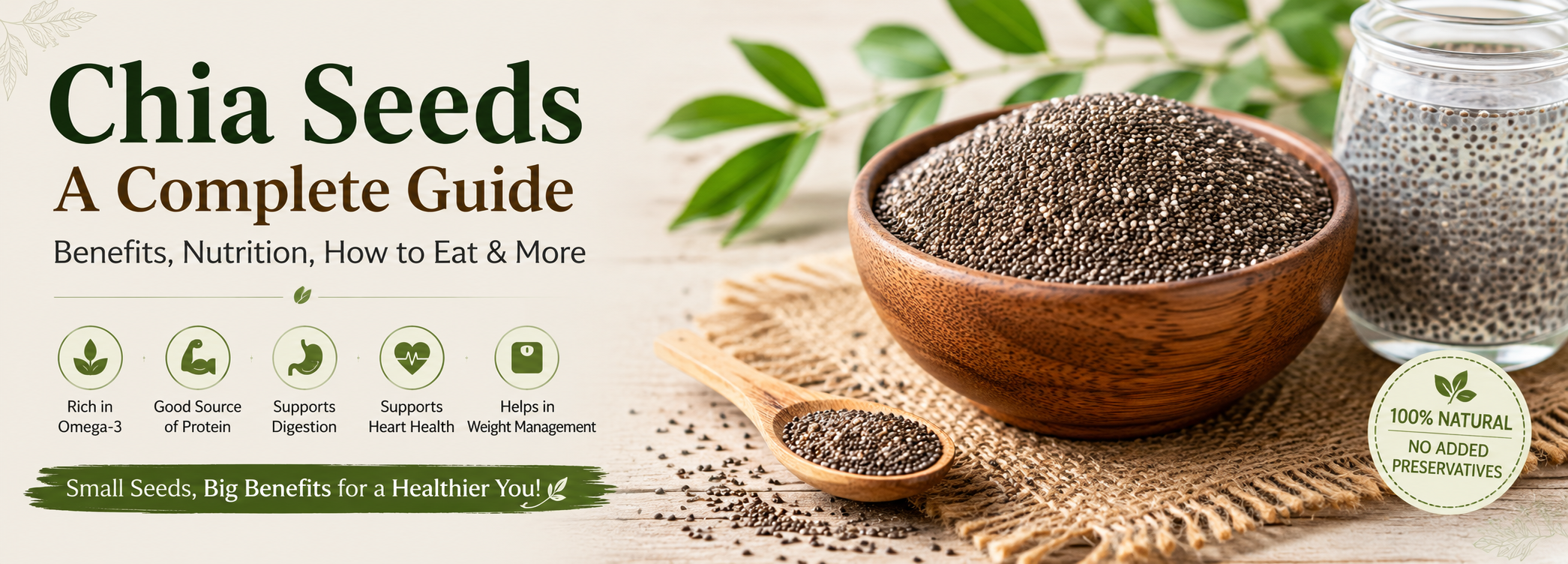
Tiny in size but packed with nutrition, chia seeds have become one of the most popular superfoods among Indian households. Whether your goal is increasing fibre intake, adding plant-based protein to your diet, improving digestion, or simply making healthier food choices, chia seeds are an easy ingredient to include in your daily routine.
Originally cultivated by the Aztecs and Mayans, chia seeds are now enjoyed worldwide for their impressive nutritional profile. They require no cooking, can be added to countless recipes, and fit easily into both vegetarian and vegan diets.
In this guide, we'll explore what chia seeds are, their nutritional value, scientifically supported health benefits, how to eat them, recommended daily intake, frequently asked questions, and where to buy chia seeds online in India.
What Are Chia Seeds?
Chia seeds are tiny edible seeds obtained from the plant Salvia hispanica, which belongs to the mint family. Despite their small size, they are packed with fibre, protein, healthy fats, antioxidants, vitamins, and minerals.
The word "chia" means strength in the ancient Mayan language. Historically, these seeds were valued as an energy-rich food by warriors because they could provide sustained energy over long periods.
When soaked in water, chia seeds absorb up to 10–12 times their weight in liquid, forming a gel-like texture. This makes them ideal for puddings, smoothies, overnight oats, and healthy desserts.
In India, chia seeds have become increasingly popular among people looking for nutritious breakfast options, healthy snacks, and convenient ways to boost daily nutrition.
Chia Seeds Nutrition
Below are the approximate nutritional values per 100 grams of chia seeds.
|
Nutrient |
Amount (per 100g) |
|
Energy |
486 kcal |
|
Protein |
16.5 g |
|
Total Fat |
30.7 g |
|
Healthy Omega-3 Fat |
17.8 g |
|
Carbohydrates |
42.1 g |
|
Dietary Fibre |
34.4 g |
|
Calcium |
631 mg |
|
Magnesium |
335 mg |
|
Iron |
7.7 mg |
|
Potassium |
407 mg |
Chia Seeds vs Common Indian Snacks
|
Food |
Protein |
Fibre |
|
Chia Seeds |
16.5 g |
34.4 g |
|
Potato Chips |
6 g |
4 g |
|
Biscuits |
7 g |
2 g |
|
Roasted Chana |
20 g |
17 g |
|
Namkeen |
10–12 g |
3–5 g |
One of chia seeds' biggest strengths is their exceptionally high fibre content, which supports digestive health and helps promote fullness.
Top 7 Health Benefits of Chia Seeds
1. Rich in Dietary Fibre
Chia seeds are one of the richest natural sources of dietary fibre. Fibre supports healthy digestion, promotes regular bowel movements, and contributes to a feeling of fullness after meals.
A fibre-rich diet is also associated with improved gut health and overall digestive wellness.
2. Excellent Plant-Based Source of Omega-3
Chia seeds contain alpha-linolenic acid (ALA), a plant-based omega-3 fatty acid.
Omega-3 fats support normal heart function and contribute to overall health. They are especially valuable for vegetarians who may consume fewer traditional omega-3 sources.
3. Supports Healthy Digestion
When soaked, chia seeds develop a gel-like consistency due to their soluble fibre content. This helps support healthy digestion and contributes to a balanced digestive system.
Including fibre-rich foods alongside adequate water intake is recommended for digestive wellness.
4. Provides Plant-Based Protein
Protein plays an essential role in muscle maintenance, tissue repair, and overall body function.
Although chia seeds are not the highest-protein seed available, they still provide approximately 16.5 grams of protein per 100 grams, making them a useful addition to vegetarian diets.
5. Rich in Calcium and Magnesium
Chia seeds naturally provide calcium and magnesium—two minerals essential for maintaining healthy bones, teeth, and normal muscle function.
According to the National Institutes of Health (NIH), adequate intake of these minerals contributes to overall bone health throughout life.
6. Naturally Rich in Antioxidants
Chia seeds contain naturally occurring antioxidants that help protect the healthy fats present in the seeds and support overall wellness.
Antioxidants play an important role in protecting cells from oxidative stress.
7. Supports Weight Management
The combination of protein, fibre, and healthy fats helps promote satiety, making chia seeds a satisfying addition to meals and snacks.
While chia seeds alone do not cause weight loss, they can support a balanced diet by helping reduce unnecessary snacking between meals.
How to Eat Chia Seeds
Chia seeds are extremely versatile and require very little preparation.
1. Overnight Chia Pudding
Mix chia seeds with milk or a plant-based alternative and refrigerate overnight. Top with fresh fruits and nuts.
2. Smoothies
Blend one tablespoon of chia seeds into fruit smoothies for additional fibre and protein.
3. Yogurt Bowls
Sprinkle soaked or dry chia seeds over curd, Greek yogurt, or fruit bowls.
4. Oats
Add chia seeds to overnight oats or cooked oatmeal for improved texture and nutrition.
5. Salads
Use chia seeds as a topping for vegetable salads, grain bowls, or sprouts.
6. Lemon Water
Many people enjoy soaked chia seeds mixed with lemon water as a refreshing summer drink.
How Much Chia Seeds Should You Eat?
For most healthy adults, 20–30 grams (about 2 tablespoons) per day is generally considered an appropriate serving.
Because chia seeds are rich in fibre, it is advisable to increase intake gradually and drink enough water throughout the day.
Consuming significantly larger quantities without adequate fluids may lead to digestive discomfort.
Best Time to Eat Chia Seeds
There is no fixed "best" time to consume chia seeds.
The best time ultimately depends on your daily routine and nutritional needs.
Frequently Asked Questions
Are chia seeds good for weight loss?
Chia seeds are high in fibre and protein, which may help increase satiety. They should be combined with a balanced diet and regular physical activity for healthy weight management.
Should chia seeds be soaked before eating?
Although dry chia seeds are safe to eat, soaking them improves texture and makes them easier to incorporate into recipes like puddings, smoothies, and drinks.
Can diabetics eat chia seeds?
Chia seeds are naturally high in fibre and have a low glycaemic impact. However, individuals with diabetes should consult their healthcare professional regarding personalised dietary advice.
Are chia seeds suitable for children?
Yes, chia seeds can be included in children's diets in age-appropriate portions. They are often mixed into yogurt, smoothies, or porridge.
How should chia seeds be stored?
Store chia seeds in an airtight container in a cool, dry place away from sunlight. Proper storage helps maintain freshness and quality.
Where to Buy Chia Seeds Online in India
When purchasing chia seeds, look for products that are:
Choosing a trusted brand helps ensure consistent quality and freshness.
If you're looking to buy chia seeds online in India, BigPantry Chia Seeds are carefully sourced, hygienically packed, and contain no added preservatives, making them a convenient addition to a balanced lifestyle.
Explore the complete range at www.bigpantry.in.

There is nothing in your cart lets add some items.


Subtotal ₹0
Shipping Charges Calculated on checkout


